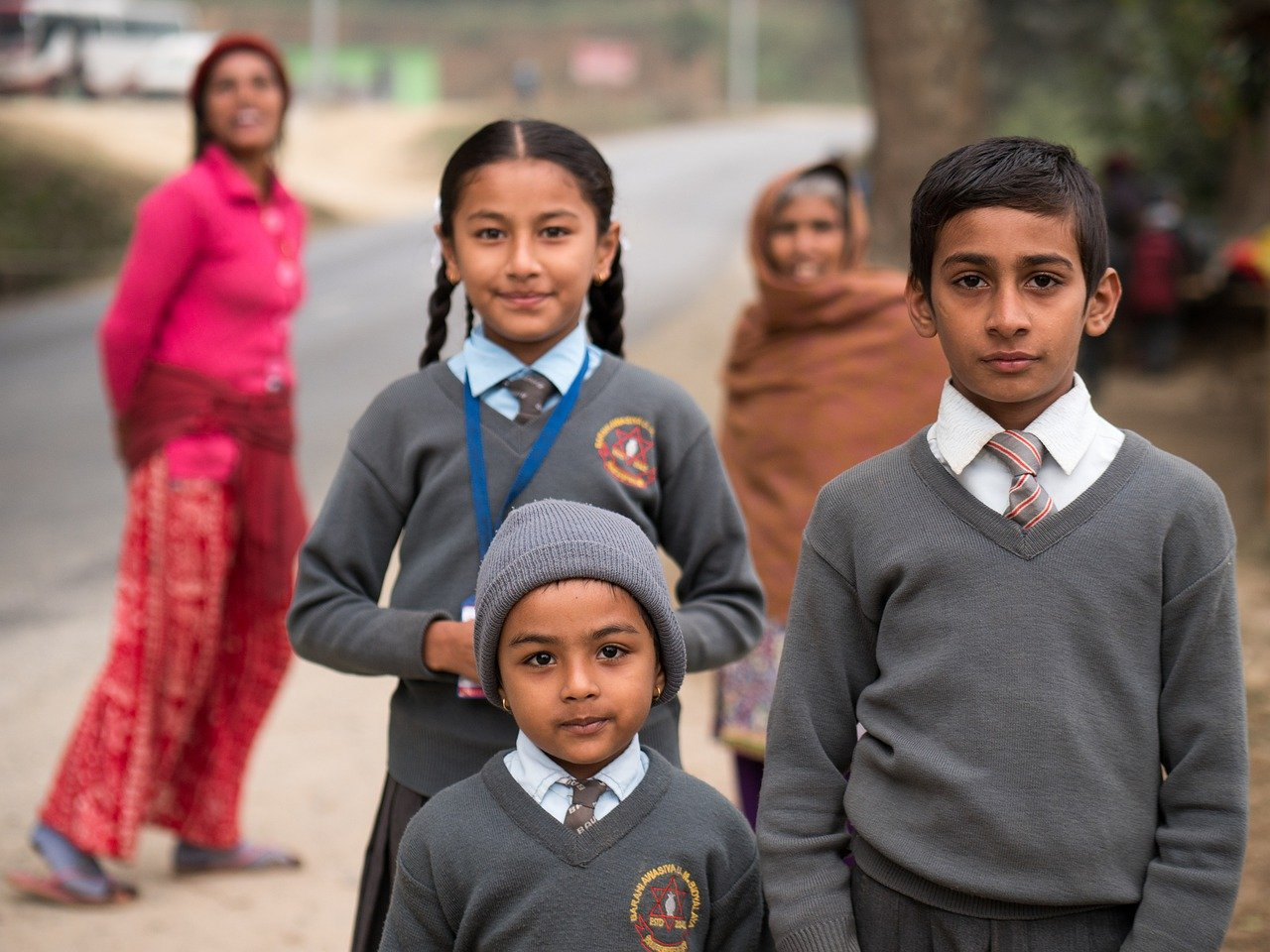
Education is one of the most powerful tools for breaking the cycle of poverty. It empowers individuals, strengthens communities, and drives economic growth. Access to quality education provides opportunities for people to improve their living conditions, secure stable jobs, and contribute to society. By investing in education, we create a pathway to a brighter, more equitable future for all.
The Link Between Education and Poverty
Poverty and lack of education are deeply connected. Children from low-income families often face barriers to education, such as limited resources, inadequate school infrastructure, and the need to work to support their families. Without education, these children struggle to find opportunities for better-paying jobs, trapping them in a cycle of poverty that persists for generations.
Conversely, education equips individuals with knowledge, skills, and confidence, enabling them to pursue careers, make informed decisions, and advocate for their rights. The more educated a population, the stronger the economy and the higher the standard of living.
How Education Transforms Lives
Education is a catalyst for change, with far-reaching effects on individuals and society. Some of the most significant ways education helps break the cycle of poverty include:
- Economic Empowerment – Education opens doors to better employment opportunities, increasing earning potential and financial stability.
- Improved Health Outcomes – Educated individuals are more likely to make healthier choices, access medical care, and understand nutrition, leading to better overall well-being.
- Gender Equality – Education empowers women and girls, giving them the knowledge and skills to advocate for themselves and contribute to economic development.
- Social Mobility – Education provides individuals with the opportunity to rise above their socioeconomic status and build a better future for themselves and their families.
- Stronger Communities – Educated individuals are more likely to participate in civic activities, promote social justice, and contribute to community development.
Barriers to Education
Despite the proven benefits of education, millions of children and adults worldwide still face obstacles to learning. Some of the most common barriers include:
- Financial Constraints – Many families cannot afford school fees, uniforms, or supplies.
- Lack of Infrastructure – In rural and underdeveloped areas, schools may be far away or lack proper facilities and teachers.
- Gender Discrimination – In some societies, girls are denied the right to education due to cultural norms or safety concerns.
- Conflict and Instability – War, displacement, and political turmoil can disrupt education systems and force children out of school.
Solutions for a Brighter Future
To ensure education reaches everyone and serves as a tool for poverty eradication, governments, organizations, and communities must work together. Key solutions include:
- Investing in Free and Accessible Education – Making primary and secondary education free and accessible to all children.
- Providing Scholarships and Financial Aid – Supporting students from low-income families to continue their education.
- Improving School Infrastructure – Building and maintaining schools, training teachers, and ensuring access to learning materials.
- Promoting Digital Learning – Utilizing technology to provide education in remote or underserved areas.
- Advocating for Policy Changes – Encouraging governments to prioritize education and implement policies that remove barriers to learning.
Conclusion
Education is a fundamental human right and a key driver of economic and social progress. By prioritizing learning, we can break the cycle of poverty, empower individuals, and create a more just and prosperous world. Every effort to expand access to education brings us one step closer to a future where knowledge uplifts and elevates all members of society.