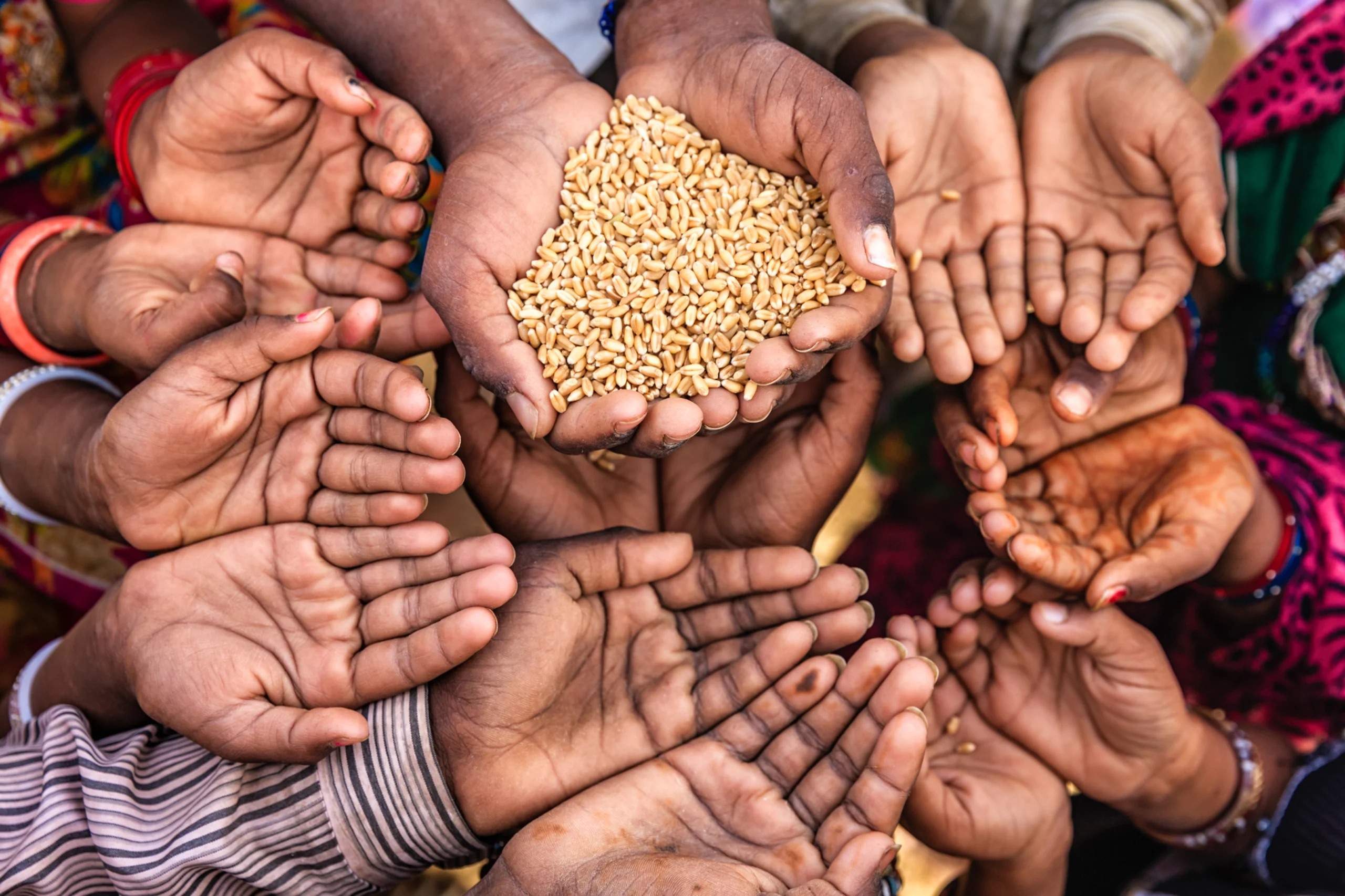
Hunger and poverty are deeply interconnected challenges that affect millions of people worldwide. Despite global efforts, food insecurity remains a persistent issue, hindering social and economic development. Food aid plays a crucial role in addressing hunger and breaking the cycle of poverty by providing immediate relief and fostering long-term solutions for sustainable food security.
The Link Between Hunger and Poverty
Hunger and poverty reinforce each other in a vicious cycle. Those living in poverty often lack access to nutritious food, which affects their health, productivity, and ability to earn a living. Malnutrition leads to weakened immune systems, stunted growth in children, and reduced cognitive development, making it even harder to escape poverty. Addressing hunger through food aid is not just an act of charity but a strategic investment in human capital and economic growth.
How Food Aid Makes a Difference
Food aid programs come in various forms, each targeting different aspects of food insecurity. Some of the most effective ways food aid contributes to poverty reduction include:
- Emergency Food Assistance – Providing immediate relief to people affected by natural disasters, conflicts, and economic crises.
- School Feeding Programs – Ensuring children receive nutritious meals, which improve their health and learning outcomes.
- Agricultural Support – Helping small-scale farmers access seeds, tools, and training to increase food production and self-sufficiency.
- Nutritional Aid for Vulnerable Populations – Supporting pregnant women, infants, and the elderly with essential nutrients to promote overall health.
- Food-for-Work Programs – Providing food in exchange for labor, helping communities build infrastructure while addressing immediate hunger needs.
Sustainable Solutions for Long-Term Impact
While food aid is vital for addressing hunger in the short term, sustainable solutions are necessary to eradicate poverty permanently. These solutions include:
- Investing in Local Agriculture – Encouraging self-reliance by supporting farmers with resources and training.
- Strengthening Food Distribution Systems – Ensuring that food reaches those in need efficiently through better logistics and policies.
- Improving Education and Job Opportunities – Empowering individuals with skills and knowledge to secure stable incomes and afford nutritious food.
- Addressing Climate Change and Environmental Challenges – Promoting sustainable farming practices to combat the effects of climate change on food production.
Conclusion
Food aid is a crucial tool in the fight against hunger and poverty. By addressing immediate needs and supporting long-term solutions, we can break the cycle of food insecurity and empower communities to thrive. With continued support and innovative strategies, a hunger-free world is within reach. Now more than ever, collective action is needed to ensure that no one goes to bed hungry.